by Neu Spaces by Jenn | Dec 17, 2025 | Decluttering, Home Organization
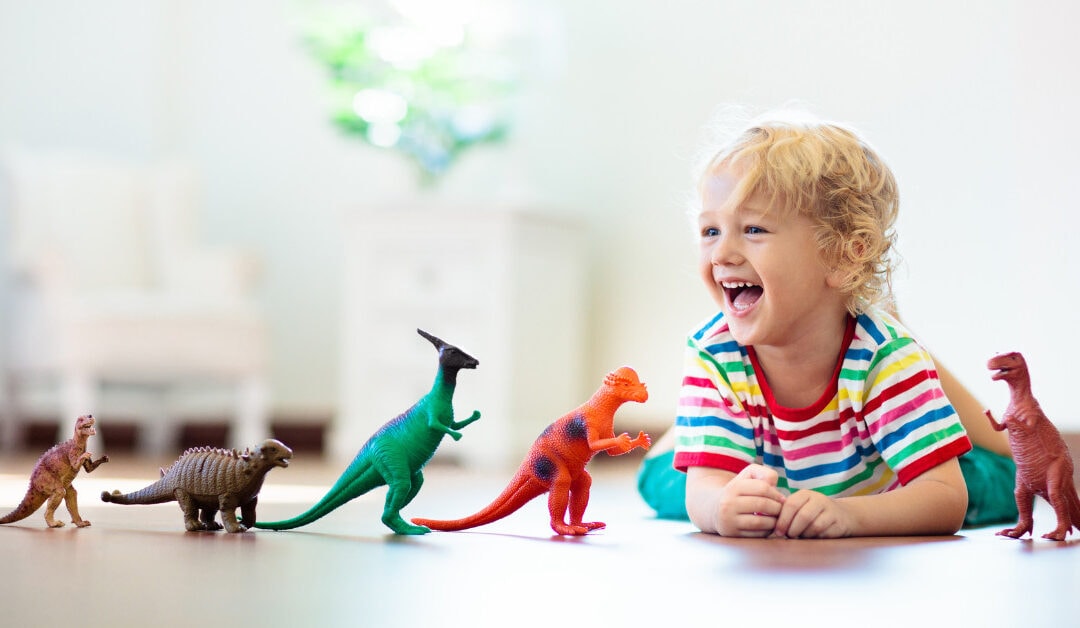
When your child’s room looks more like a toy explosion than a peaceful space, the clutter isn’t just inconvenient – it can affect your child’s health, behavior and learning. Research shows that chaotic home environments can increase stress for children and interfere with their development. A study from Ohio State University found that kids living in cluttered, noisy, disorganized homes at age 3 had poorer overall health by age 5.
Learning also is affected. A study published by the journal Psychological Science found that children in heavily decorated rooms completed tasks with far less accuracy than when in simpler environments. Too much visual stimulation competes for a child’s attention, making focus difficult and increasing overstimulation.
Transforming your child’s room from chaos to calm isn’t about creating a Pinterest-perfect space. It’s about building an environment that supports healthy play, better sleep, smoother routines, and less stress for both you and your child. The two biggest impact areas? Purging old toys and organizing the ones that stay.
Start by Purging: Make Space for What Matters
Begin by gathering every toy in the room. Kids are natural collectors and toys accumulate quickly from birthdays, holidays, grandparents, school events and random purchases. Over time, the room becomes packed with items your child has long outgrown or forgotten.
Sort quickly and honestly:
- Remove broken, incomplete, or heavily worn toys.
- Donate toys your child hasn’t played with in six months. Most kids don’t miss what disappears from the rotation, especially when it’s not in their current interest zone.
- Create a “maybe box.” If the toy isn’t touched after 30 days, it’s a good sign it can go.
- Let your child help choose a few items to give away. This builds empathy and teaches the idea of letting go.
Studies suggest that 80 percent of the toys kids keep are rarely used, meaning a large percentage of what fills their room isn’t actually adding value. A meaningful purge removes visual noise and instantly makes the space feel calmer.
Organize Toys with Systems Designed for Kids
Once you’ve cleared excess toys, focus on creating simple systems your child can use independently. Good organization helps children learn responsibility, reduces cleanup battles and encourages deeper, more imaginative play.
Try these strategies:
- Create zones. A play zone, a reading nook, a craft area and a storage area give structure to the room. Kids respond better when each space has a purpose.
- Use low, accessible storage. Shelves and bins at a child’s height give them the power to put toys away themselves.
- Rotate toys. Limiting what’s available reduces overstimulation and increases focus. One study even found children engaged longer and more creatively when offered fewer toys at once.
- Label everything. Picture labels work especially well for toddlers who can’t read yet.
- Store by category, not size. Keep cars with cars, animals with animals, dolls with dolls. Consistency builds habits.
- Display favorites and store the rest. Highlighting just a few toys keeps surfaces clean and visually soothing.
These systems grow with your child, creating a bedroom that feels functional rather than overwhelming.
Reduce Visual Overload: Calm Rooms Support Better Sleep and Learning
A child’s room should feel like a sanctuary, not a source of stimulation overload. When walls, shelves and floors are packed with toys, books and décor, it becomes harder for kids to relax, fall asleep or focus during quiet activities. Reducing the amount of “stuff” on display helps create a calmer environment. Simple steps like keeping floors clear, limiting how many items sit on shelves, using closed storage to hide visual noise and choosing soothing rather than heavily decorated wall spaces make a noticeable difference. With fewer distractions around them, kids can transition more easily from playtime to bedtime and practice sustained attention during reading or homework.
Make Maintenance Easy with Small, Consistent Habits
Maintaining a tidy kid’s room isn’t about strict rules It’s about simple habits that become part of daily life. A quick five-minute clean-up each evening prevents small messes from turning into overwhelming piles. Rotating toys once a month keeps playtime exciting and helps avoid overstimulation, while seasonal decluttering ensures the room evolves as your child grows. Introducing a small “lost and found” bin for stray pieces and tiny items keeps random clutter from spreading across surfaces. These routines teach kids responsibility and respect for their space and they significantly reduce the mental load on parents who are tired of constantly picking up after their little ones.
Why Decluttering Kids’ Rooms Matters
A well-organized kids’ room is far more than a tidy space. It’s a supportive environment for healthy development. Clean, calm spaces can reduce stress, improve sleep quality, and make daily transitions smoother. Children in organized rooms often feel more confident because they can find their belongings and complete small tasks on their own. Fewer toys encourage deeper imagination and open-ended play, while predictable spaces help kids self-regulate and feel secure. For parents, the benefits are just as meaningful: fewer battles over cleaning, fewer lost items and a home that feels more peaceful overall.
Ready to Turn Toy Chaos into Calm?
If organizing your child’s room feels overwhelming, Neu Spaces by Jenn can help transform it into a functional, peaceful, kid-friendly environment. Jenn creates systems tailored to your child’s age, interests, and routines so the room stays organized long after the project is finished. Call 904-338-4456 or schedule your personalized organizing session online today.
by Neu Spaces by Jenn | Dec 3, 2025 | Decluttering, Home Organization
A new year brings a powerful sense of renewal. It’s a reset button – a chance to clear physical and mental space so you can step into the coming months with clarity and purpose. But before you set goals, there’s one step that makes everything else easier: decluttering. Research shows that reducing clutter isn’t just about tidying your home; it directly improves your health, stress levels, mood and productivity.
A study in Current Psychology found a strong link between clutter and elevated stress, while UCLA researchers discovered that women’s cortisol levels rose significantly when surrounded by household clutter. The Princeton Neuroscience Institute also found that visual clutter competes for your attention, reducing focus and increasing mental fatigue. Even more surprising: the National Association of Productivity & Organizing Professionals reports that eliminating excess clutter can cut up to 40 percent of housework.
Clutter burdens your brain, drains your time and interrupts your ability to feel relaxed at home. But clearing a few targeted areas can create immediate relief. Here are five smart places to declutter in the New Year to truly start fresh.
1. Paperwork, Mail & Hidden Stacks
Paper clutter is among the biggest contributors to invisible stress. It collects on countertops, in drawers and in piles that seem to regenerate overnight. The American Psychological Association notes that unresolved paper piles create mental overload because they represent unfinished tasks your brain constantly tracks.
Begin by removing everything that no longer needs action, including expired coupons, old statements, junk mail and outdated forms. For the papers that remain, create two simple categories: items requiring action and items to file. Digitizing what you can reduces physical clutter and prevents backlogs.
This area is one of the fastest wins. When counters are clear and paper has a home, your whole space feels instantly calmer.
2. Your Pantry & Food Storage Areas
A cluttered kitchen affects more than your cooking. It influences your eating habits. A Cornell University study found that people in chaotic kitchens consumed twice as many calories as those in tidy ones due to stress-related snacking.
A New Year pantry reset helps you:
- Toss expired or stale items
- Group similar foods
- Stop buying duplicates
- Improve meal prep and grocery efficiency
When your pantry is organized, cooking feels easier and grocery trips become more intentional. You save money, waste less food and feel in control of your space.
3. Clothes You Don’t Wear (and Closet Chaos)
Most people wear only 20 percent of their wardrobe regularly. The rest takes up valuable space, slows down your morning routine and adds unnecessary mental clutter. Studies show that disorganized closets contribute to frustration and decision fatigue, because they force your brain to process too many choices at once.
Start by removing clothes that don’t fit, don’t flatter or haven’t been worn in a year. Then organize what’s left by category and color. This creates an easy, repeatable system that keeps your closet functional instead of overwhelming.
A curated closet also transforms your bedroom from a storage zone back into a peaceful retreat.
4. Personal Care Items & Bathroom Products
Bathrooms accumulate clutter at lightning speed – half-used bottles, expired makeup, forgotten samples, products you didn’t love but kept “just in case.” All of this visual noise can make your daily routines feel chaotic.
The Sleep Foundation reports that clutter in nighttime spaces can disrupt relaxation, making it harder to wind down. Decluttering your bathroom reduces those tiny evening stressors that add up more than you realize.
Sort products into groups such as daily essentials, skincare, haircare, first-aid and rarely used items. Toss anything expired or unused and keep only what you reach for consistently.
A streamlined bathroom creates immediate calm at the start and end of each day.
5. “Invisible Clutter” — The Stuff You’ve Stopped Noticing
Invisible clutter might be the most transformative category because it leaks into your home slowly, until you no longer notice it but your brain does.
These items include:
- Random boxes you meant to deal with
- Old electronics and chargers
- Décor that no longer fits your style
- DVDs, books or hobby items you never use
- “Just in case” objects that never serve a purpose
Neurological research shows that visual clutter increases cognitive load, so removing these forgotten items frees mental space and makes your home feel instantly lighter. Clients often say this category creates the biggest emotional shift.
Why Decluttering Matters for Your Well-Being
Beyond the visual improvement, decluttering provides real, measurable benefits:
- Lower stress: Studies consistently show cortisol drops in orderly spaces.
- Better sleep: Calm environments improve nighttime relaxation.
- Higher productivity: Reduced clutter boosts focus and efficiency.
- Better mood: People report feeling more positive and in control after decluttering.
- Healthier environment: Fewer objects = less dust and better air quality.
- Less wasted money: You stop rebuying items you already own.
- More time: Systems reduce searching, sorting and cleaning.
Decluttering isn’t about perfection or minimalism. It’s about creating a home that supports the lifestyle you want in the year ahead.
If tackling all of this feels overwhelming, you don’t have to do it alone. Neu Spaces by Jenn creates customized systems that make your home feel lighter, more functional and easier to maintain not just in January, but all year long.
Begin the New Year with clarity and a home that supports your goals. Contact Neu Spaces by Jenn today to schedule your consultation and start fresh.
by Neu Spaces by Jenn | Nov 17, 2025 | Home Organization
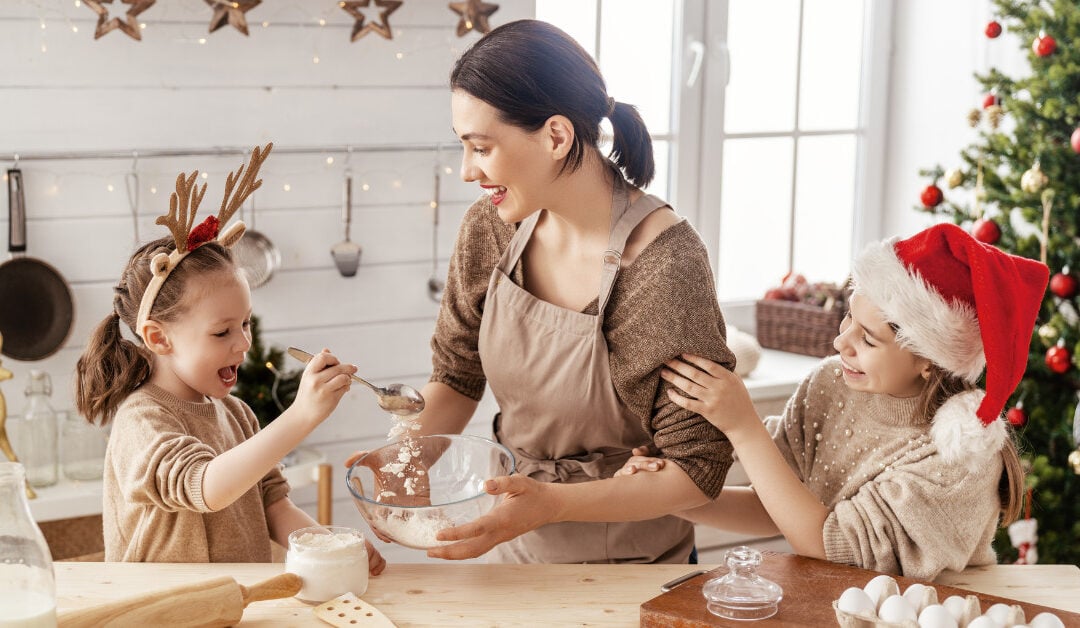
The holidays have a way of sneaking up on us. One minute you’re still finishing Halloween candy, and the next you’re frantically clearing space for guests, wrapping paper and all those ingredients for the family feast. It’s supposed to be a season of joy, but for many of us, it’s a season of stuff — piled in corners, spilling out of closets and crowding our countertops.
Decluttering before the holidays isn’t just about appearances. It’s about feeling calm, in control and able to enjoy what matters most. With a few smart strategies and a little help from a professional organizer, you can avoid holiday chaos and create a home that feels ready, not rushed.
Start with the pantry: function before festivity
Before you fill your cart with pumpkin purée, cookie sprinkles and cranberry sauce, take an honest look at your pantry. What’s hiding behind the soup cans? How many half-used bags of flour are competing for space?
Clearing out your pantry before holiday grocery runs helps you see what you actually have and prevents duplicate purchases. Toss anything expired or stale, donate extras you won’t use and group like items together, for instance, baking ingredients in one zone, snacks in another, dinner staples on a single shelf.
An organized pantry does more than look nice. It saves time, reduces waste and sets the tone for the entire kitchen. When every item has a clear home, prepping for a holiday meal feels intentional instead of overwhelming.
Open those closet doors — without fear
We all have them: the “don’t open that one” closets. They’re the catch-alls for everything that doesn’t have a proper home. But during the holidays, those hiding places quickly turn into headaches. Guests may need to hang coats, grab extra linens or stash gifts and you don’t want anxiety spiking every time someone reaches for a doorknob.
Start small. Choose one closet at a time and clear it completely. As you sort, ask three simple questions:
- Do I use it?
- Do I love it?
- Does it serve me right now?
If the answer is no, let it go. Donate, recycle, or toss. Then, organize what remains in a way that makes sense, grouping by purpose or season and using labeled bins or baskets to keep order.
Tackle “surface clutter” before it snowballs
Flat surfaces are magnets for clutter. Countertops, entry tables and nightstands all seem to collect life’s random extras. Before the holidays, take a walk through your home and notice where things naturally pile up.
Create systems that keep those hot spots under control. A basket for mail near the front door, a tray for remotes on the coffee table or a small bin for everyday essentials can help corral the chaos. When guests arrive or new holiday décor comes out, your home will already feel clear and inviting.
Make room for what’s coming in
Even if you’re not hosting, the holidays bring more stuff: gifts, packaging, decorations and leftovers. Decluttering now means you’ll have space for what’s about to enter your home.
When storing décor, think strategically. Use clear bins with labeled contents and stack them by holiday or season. If you find yourself hanging on to things you don’t use or don’t love, it’s okay to release them. Every year, our needs and tastes change, and that’s perfectly fine. By creating intentional storage now, you’ll save yourself hours of frustration when it’s time to decorate again next year.
Replace pressure with peace
A calm home creates a calm mind, and that’s the true gift of decluttering. When every drawer, cabinet and corner has purpose, you spend less time searching and more time connecting. You’ll walk into your kitchen ready to cook instead of shoving things aside. You’ll open the door to guests without worrying about what’s behind it.
But if you’ve tried to declutter on your own and feel stuck, you’re not alone. Life gets busy, emotions get tied up in our belongings and it’s hard to know where to start. Professional organizers bring a neutral perspective, efficient systems and the motivation to keep things moving.
Working with an organizer like Neu Spaces by Jenn doesn’t mean giving up control. It means partnering with someone who understands how to create spaces that work. Whether you want to prepare your home for entertaining, reclaim a room that’s been buried under clutter or finally feel proud of your pantry, they’ll tailor a plan that fits your lifestyle and comfort level.
The takeaway: joy over perfection
Decluttering before the holidays isn’t about achieving a Pinterest-perfect home. It’s about creating a space where you can breathe, laugh and celebrate without feeling weighed down by stuff. Start where it feels easiest — the pantry, a single closet, a countertop. Celebrate each win, no matter how small. And if the process starts to feel overwhelming, remember that you don’t have to do it alone.
Ready to enjoy a calmer, happier holiday season? Contact Neu Spaces by Jenn today to schedule a consultation and discover how expert organizing can help you welcome the holidays and your guests with confidence instead of chaos.